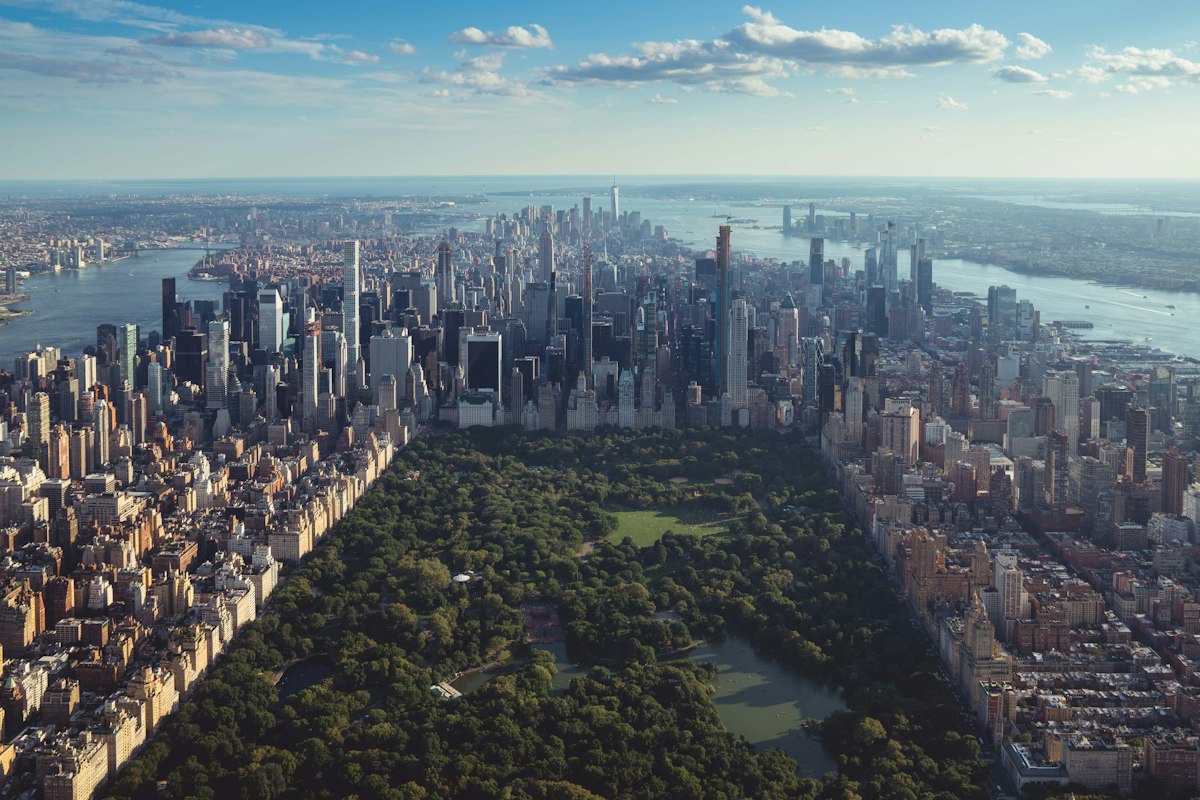
The NFL Draft just left Pittsburgh, and the city may never look quite the same to the outside world again. Hundreds of thousands of visitors descended on the North Shore, the Strip District, and Downtown over the course of the event. National broadcast cameras swept across the skyline, the rivers, and the bridges that Pittsburghers have always known to be spectacular but that the rest of the country is only now truly seeing in full resolution. The Allegheny Conference estimated a direct economic impact in the range of $150 million, but the real number, when you account for the lasting perception shift, is harder to calculate and almost certainly larger.
For local business owners, this is not just a feel-good story. It is a strategic signal. Pittsburgh is undergoing a positioning moment, and the businesses that understand what that means, and move accordingly, stand to benefit enormously in the years ahead.
Pittsburgh Is No Longer Explaining Itself
For years, Pittsburgh business owners faced a quiet disadvantage in national conversations. You had to spend the first five minutes of any pitch or partnership discussion explaining that Pittsburgh had reinvented itself since the steel era, that Carnegie Mellon and Pitt produce world-class talent, that the cost of living made it a compelling location for companies looking to grow. It was true, but it required constant effort.
The NFL Draft changes some of that. When the nation watches a world-class event unfold against the backdrop of the Allegheny, Monongahela, and Ohio rivers converging at Point State Park, when they see the skyline that travel writers have been calling underrated for a decade, the conversation shifts. You no longer have to explain Pittsburgh. It already made its impression.
The Allegheny Conference was deliberate about this. They used the draft as a business development vehicle, hosting delegations of corporate executives and site selection consultants alongside the fan events. Governor Shapiro and his administration held a CEO roundtable during the draft weekend specifically to highlight Pennsylvania's business climate and its corporate income tax rate, which is phasing down to 4.99%. The signal to the business community was clear: Pittsburgh is open, aggressive, and ready to compete for investment.
What a $150 Million Event Actually Moves
The direct economic impact figure gets cited frequently, but it is worth unpacking what it actually represents at the ground level. Hotels sold out weeks in advance. Restaurants and bars throughout the city ran record-setting weeks. Transportation, hospitality, and retail saw surges that stress-tested their operations and, for the businesses that were prepared, rewarded them handsomely.
But the more interesting conversation is about what comes next. Events of this scale leave behind a different city. Corporate site selectors who were hosted during the draft weekend go back to their offices with a fresh mental model of Pittsburgh as a viable, attractive location. Entrepreneurs who attended and saw the energy of the crowd, the quality of the venues, and the competence of the city's event infrastructure go home with Pittsburgh on their radar as a potential base of operations.
According to research from cities that have hosted major NFL events in prior years, the media impression value alone, the equivalent advertising spend to reach the same audience organically, typically runs several times the direct economic impact figure. Pittsburgh just received a national branding campaign it could not have purchased.
"The bigger impact may be in changing perceptions of Pittsburgh. The Allegheny Conference used the event as bait to lure potential business investors." — WESA, April 2026
Three Things Pittsburgh Business Owners Should Do Right Now
The post-draft window is a real opportunity, but only for businesses that act on it intentionally. Here is how I would approach it:
Tighten your online presence. Corporate decision-makers who visited Pittsburgh during the draft are now searching for businesses, vendors, and partners in the region. If your website is outdated, your Google Business profile is thin, and your LinkedIn presence is sparse, you are invisible to exactly the buyers you want. The next 60 to 90 days are an unusually high-traffic window for Pittsburgh business searches. Make sure you show up and make a strong first impression.
Position yourself explicitly as a Pittsburgh business. This is not the time for generic positioning. Buyers and partners who came away from the draft with a positive impression of Pittsburgh are primed to work with Pittsburgh companies. If your brand does not clearly identify you as part of this region, you are leaving that goodwill on the table. Update your messaging, your About page, and your outreach to lean into the Pittsburgh identity rather than soften it.
Be ready for inbound growth, not just outbound growth. Most small businesses are built entirely around outbound effort: they go out and find customers. But a moment like this creates inbound pressure, new inquiries, new partnership conversations, new media attention. If your intake process, your client onboarding, and your delivery capacity are not ready to handle a surge, the opportunity becomes a liability. Now is the time to audit your systems and make sure you can absorb growth without chaos.
The Talent Story Is Getting Stronger
One of the quieter dividends of events like the NFL Draft is what they do to talent retention and recruitment. Pittsburgh has always had a brain drain problem, a term the city has been trying to retire for years. Every young professional who attended the draft and saw tens of thousands of their peers filling the streets, the bars, and the events around town got a visceral reminder that Pittsburgh is a place where things happen. That matters.
Companies competing for talent in Pittsburgh are entering a slightly improved market. The city's energy around the draft was real, not manufactured, and the young professionals who experienced it are more likely to stay and recommend Pittsburgh to peers at other institutions. Carnegie Mellon, Pitt, and Duquesne have always produced strong pipelines of technical and business talent. The challenge has been convincing graduates that Pittsburgh is the right place to build a career. The draft weekend made that case better than any marketing campaign could.
Pennsylvania's Business Climate Is Part of the Story
It would be a mistake to view the NFL Draft purely as a feel-good event for the Pittsburgh region and not connect it to the broader policy context. Pennsylvania has been quietly improving its business climate over the past several years. The corporate net income tax rate reduction, phasing down to 4.99%, puts the state in a more competitive position relative to neighboring states. The Shapiro administration's decision to hold a CEO roundtable during the draft was a deliberate move to bundle the narrative: the state is not just a great place to watch football. It is a great place to run a company.
For Pittsburgh business owners, this matters because it affects the quality of clients, partners, and competitors entering your market. As more companies choose Pennsylvania for expansion or relocation, your local competitive landscape changes. That is not a threat if you are already positioned well. It is actually an opportunity, more potential clients, more sophisticated buyers, and a more robust regional economy to work within.
The Real Estate Signal
Commercial real estate activity in Pittsburgh was already accelerating before the draft. The Strip District, Lawrenceville, and the Hazelwood Green development have been drawing investment for several years. The North Shore, where much of the draft activity was centered, is likely to see renewed development interest as investors who attended the event recognize the density and energy of that corridor.
For business owners considering expansion, office moves, or new locations, the next 12 to 18 months may be a particularly important window. Demand for quality commercial space in the city's most visible neighborhoods will likely increase as the post-draft momentum attracts new entrants. Understanding where values are heading and locking in favorable terms before the market fully reprices is the kind of strategic move that separates proactive operators from reactive ones.
I track much of the Pittsburgh development activity on The Pittsburgh Wire, where we cover new business openings, commercial real estate transactions, and the broader economic health of the region. If you want to stay ahead of what is happening in Pittsburgh's business landscape, it is a useful resource to follow.
Do Not Let the Momentum Dissipate
Every city that has hosted a major national event knows the pattern. There is an initial surge of energy and attention, followed by a gradual return to normal. The question is always whether the city can convert the temporary spotlight into lasting structural change, and whether local business owners can ride the wave rather than just watch it pass.
Pittsburgh has the fundamentals to make this moment stick. The university pipeline is strong. The talent is here. The infrastructure is improving. The cost structure remains compelling compared to coastal markets. The NFL Draft did not create any of that. It revealed it to a national audience that had not been paying close enough attention.
Your job as a Pittsburgh business owner is to capitalize on that revelation while the attention is still elevated. Get your systems right. Get your positioning clear. Get your team ready to absorb growth. The window is open right now, and the businesses that move with intentionality in the next 90 days will be the ones writing the success stories a year from now.
If you want to talk through what this means specifically for your business, reach out to the team at Elixir Consulting Group. We help Pittsburgh business owners build the strategy and operational infrastructure to turn regional momentum into long-term growth.
About the Author
Dr. Connor Robertson is the founder of Elixir Consulting Group, a Pittsburgh-based business consulting firm helping owners build scalable operations, implement AI, and grow revenue. He is also the publisher of The Pittsburgh Wire.
Book a Strategy Call